
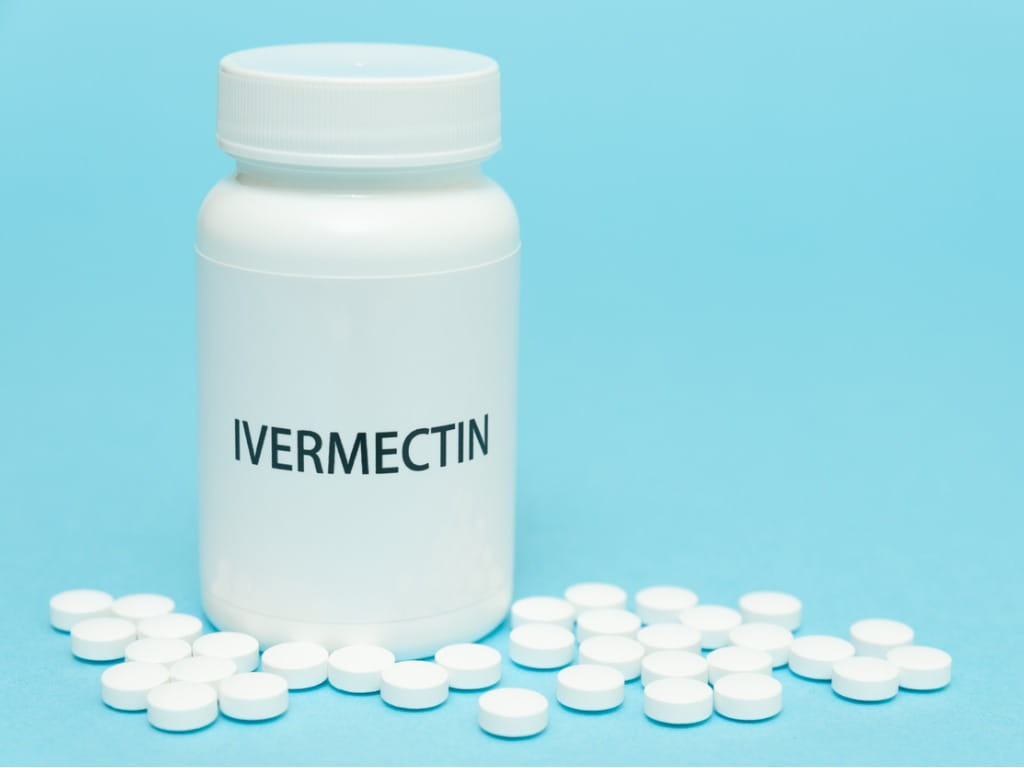
Ivermectin is a prescription medicine used to treat certain parasitic infections in humans. It belongs to a group of medicines called antiparasitic agents and works by affecting the nervous system of susceptible parasites, helping to eliminate them from the body.
Ivermectin has been used for many years to treat specific infections, including some intestinal worm infections and parasitic skin conditions. It is available in different formulations and strengths, and the appropriate dose depends on the infection being treated, the patient’s body weight, age, medical history, and the formulation prescribed.
Because ivermectin is not appropriate for every infection, it should be taken only when recommended by a healthcare professional.
What Is Ivermectin?
Ivermectin is an antiparasitic medicine derived from compounds produced by Streptomyces avermitilis. It is active against several types of parasites that can infect humans.
The medicine works by binding to specific chloride channels in the nerve and muscle cells of susceptible parasites. This interferes with normal nerve signaling, causing paralysis and eventually death of the parasite.
Ivermectin has activity against certain parasitic worms and external parasites. However, it does not treat every type of parasite, and its effectiveness depends on the particular organism causing the infection.
What Is Ivermectin Used For?
Ivermectin is used to treat several parasitic conditions. Depending on the country and medical guidelines, approved uses may include:
1. Strongyloidiasis
Ivermectin is commonly used to treat strongyloidiasis, an intestinal infection caused by the parasitic roundworm Strongyloides stercoralis. The infection can sometimes persist for years and may cause abdominal discomfort, diarrhea, skin symptoms, or no noticeable symptoms at all.
People with weakened immune systems can be at particular risk of severe complications from strongyloidiasis, making appropriate diagnosis and treatment important.
2. Onchocerciasis
Ivermectin is also used to treat onchocerciasis, commonly known as river blindness. This parasitic infection is caused by Onchocerca volvulus and is transmitted through the bites of infected blackflies.
The medicine helps reduce the number of developing worms and microfilariae, which can decrease symptoms and transmission. Treatment programs in affected regions may use ivermectin repeatedly under medical or public-health supervision.
3. Scabies
Ivermectin may be prescribed for scabies, a contagious skin infestation caused by the mite Sarcoptes scabiei. Oral ivermectin can be particularly useful in certain situations, including outbreaks or cases where topical treatment is unsuitable or has not worked.
Treatment of scabies may require treatment of close contacts and appropriate cleaning of clothing, bedding, and other potentially contaminated items, depending on medical advice.
4. Head Lice and Other Parasitic Conditions
Ivermectin is available in certain topical formulations that may be used for conditions such as head lice. Other uses may be considered by healthcare professionals depending on the patient’s condition and local treatment guidelines.
Not every ivermectin formulation is interchangeable. Oral tablets, topical creams, and other formulations have different uses and dosing instructions.
Benefits of Ivermectin
The primary benefit of ivermectin is its ability to eliminate or reduce certain parasites responsible for human infections.
Effective Against Specific Parasites
Ivermectin can be highly effective against susceptible parasites when the correct medicine and dose are used for the appropriate infection.
Convenient Treatment in Some Conditions
Depending on the condition, ivermectin may be administered as a short course or as intermittent treatment. The treatment schedule varies and should be determined by a healthcare professional.
Useful When Certain Topical Treatments Are Unsuitable
For some parasitic skin infections, oral ivermectin can provide an alternative to topical treatments in appropriately selected patients.
Ivermectin Dosage
There is no single standard ivermectin dose for every condition. Dosage is determined by the infection being treated, body weight, age, health status, and the specific product prescribed.
For some approved indications, ivermectin is prescribed according to body weight. Some treatments involve a single dose, while others require additional doses or repeated treatment.
For example, oral ivermectin for certain parasitic infections is often prescribed in weight-based doses, but the exact regimen differs between conditions. Scabies treatment may use a different schedule from treatment for strongyloidiasis or onchocerciasis.
Patients should therefore not calculate or select an ivermectin dose themselves. Follow the prescription and product instructions provided by your healthcare professional.
Ivermectin tablets are generally taken orally. Depending on the product and indication, instructions about taking the medicine with food or on an empty stomach may differ, so patients should follow the specific instructions supplied with their prescription.
Never take additional doses because symptoms have not immediately disappeared unless instructed to do so.
Common Side Effects of Ivermectin
Ivermectin is generally tolerated by many patients when used appropriately, but side effects can occur.
Possible side effects include:
- Dizziness
- Nausea
- Diarrhea
- Abdominal discomfort
- Weakness or tiredness
- Headache
- Skin rash or itching
Some side effects may be related to the death of parasites rather than directly to the medicine itself, particularly when treating infections with large numbers of parasites.
Most mild side effects resolve without treatment, but persistent or severe symptoms should be discussed with a healthcare professional.
Serious Side Effects and Precautions
Although serious reactions are uncommon, medical attention should be sought if severe symptoms develop.
People taking ivermectin for certain parasitic infections may experience neurological symptoms, severe dizziness, confusion, difficulty walking, or other unusual reactions. Severe allergic reactions can also occur.
Before taking ivermectin, tell your healthcare professional about existing medical conditions and all medicines or supplements you use.
Ivermectin may not be appropriate for everyone. Special consideration may be needed for young children, people with certain neurological conditions, people with significant liver problems, pregnant individuals, or people taking medicines that could interact with ivermectin.
Ivermectin and Pregnancy
If you are pregnant, planning to become pregnant, or breastfeeding, discuss ivermectin with a healthcare professional before using it.
The safety of ivermectin can depend on the specific situation and the reason for treatment. A doctor can weigh the potential benefits and risks and recommend the most appropriate therapy.
Can Ivermectin Treat Viral Infections?
Ivermectin is an antiparasitic medicine, not a general antiviral treatment. It should not be used to treat viral infections unless a healthcare professional specifically prescribes it for an approved or medically appropriate reason.
In particular, people should not self-medicate with ivermectin products intended for animals or use higher-than-recommended doses in an attempt to treat a viral illness. Veterinary formulations can contain different concentrations or inactive ingredients and are not intended for human use.
Important Tips When Taking Ivermectin
For safe and effective treatment:
- Take ivermectin only when prescribed or recommended by a qualified healthcare professional.
- Use the formulation and strength intended for humans.
- Follow the prescribed dose and schedule carefully.
- Do not take extra doses without medical advice.
- Tell your doctor or pharmacist about other medicines and supplements you take.
- Complete the recommended treatment regimen when instructed.
- Seek medical attention if severe or unusual symptoms occur.
Conclusion
Ivermectin is an established antiparasitic medicine used to treat several specific parasitic infections. Its benefits come from its ability to interfere with the nervous system of susceptible parasites, helping the body eliminate them.
However, ivermectin is not a one-size-fits-all medicine. The appropriate dosage, treatment duration, and formulation depend on the condition being treated and individual patient factors. Taking the wrong dose or using ivermectin for an infection it does not treat can be ineffective or potentially harmful.
If you have symptoms of a parasitic infection or have been diagnosed with one, speak with a healthcare professional about whether ivermectin is appropriate. Always use ivermectin exactly as directed and avoid using veterinary products or taking additional doses without medical advice.
Disclaimer: This article is intended for general educational purposes and does not replace professional medical advice, diagnosis, or treatment. Always consult a qualified healthcare professional before starting, stopping, or changing any medication.
FAQs
Can children take ivermectin?
Ivermectin is not appropriate for every child. Age, body weight, medical condition, and the specific formulation all matter. A pediatric healthcare professional should determine whether it is suitable.
Can I use animal ivermectin?
No. Veterinary ivermectin products are formulated for animals and should not be substituted for medicines intended for humans. Human treatment should use an appropriate human formulation prescribed or recommended by a qualified healthcare professional.