FBD 222mg contains fenbendazole, a benzimidazole antiparasitic medicine. Fenbendazole is used primarily in veterinary medicine to treat and control certain parasitic worm infections in animals. FDA records list approved fenbendazole products for animals, including dogs, cattle, goats, and other species.
Because approvals and indications depend on the specific product, species, strength, and country, FBD 222 mg should not be described as a standard human deworming medicine unless the product has appropriate human regulatory approval. FDA notes that approved human medicines can be verified through its Drugs@FDA database.
Fenbendazole is used in veterinary medicine against several types of parasitic worms. For example, FDA-approved fenbendazole products for dogs are indicated for certain roundworms, hookworms, whipworms, and tapeworms.
The exact indication depends on the animal species and the particular product. It should therefore be used according to the product label or as directed by a veterinarian.
The benefits depend on the parasite being treated and the approved use of the specific product.
Fenbendazole interferes with important processes that parasites need for energy production and cellular function. Research and FDA documentation describe effects involving glucose uptake, protein secretion, and microtubule production. These effects impair the parasite and help eliminate susceptible worms.
The correct administration of fenbendazole depends on the species, body weight, parasite, formulation, and product label.
For this reason, a fixed human dosing instruction such as “one tablet daily for 3–5 days” should not be published unless it is specifically supported by the product's approved labeling.
For veterinary use, follow the directions supplied with the product or the veterinarian's instructions. FDA-approved canine fenbendazole products, for example, have specific weight-based dosing instructions and a defined treatment duration.
There is no appropriate universal dosage for all users simply based on the 222 mg strength.
The correct dose can depend on:
Do not change the dose or treatment duration without professional guidance.
Fenbendazole can cause adverse effects, particularly when it is used outside the recommended product directions.
Possible effects can vary according to the animal, dose, treatment duration, and indication. FDA has also reported cases of bone marrow hypoplasia and pancytopenia in dogs associated with extra-label use, particularly when treatment continued beyond the labeled duration.
If unusual symptoms develop during treatment, discontinue use where appropriate and seek advice from a veterinarian or healthcare professional.
Other fenbendazole strengths or formulations may be available depending on the manufacturer and market.
Always verify the strength printed on the actual product packaging before use.
Before using fenbendazole, provide your veterinarian or healthcare professional with a complete list of medicines, supplements, and other treatments being used.
Drug interactions can depend on the animal species, product formulation, dosage, and duration of treatment. Avoid combining antiparasitic medicines without professional advice.
Fenbendazole should be used according to the approved label for the relevant species and product.
FDA specifically warns about risks associated with extra-label, prolonged fenbendazole use in dogs.
Fenbendazole is only one option within the broader antiparasitic category. Different medicines target different parasites, so they should not be treated as interchangeable.
| Medicine | Main Class | Commonly Used For | Key Difference |
| Fenbendazole | Benzimidazole | Several veterinary intestinal worms | Primarily used in veterinary medicine |
| Albendazole | Benzimidazole | Various human worm infections | Widely used in human medicine |
| Mebendazole | Benzimidazole | Several intestinal worm infections | Common human deworming medicine |
| Praziquantel | Anthelmintic | Certain tapeworm and fluke infections | Particularly useful for cestodes and trematodes |
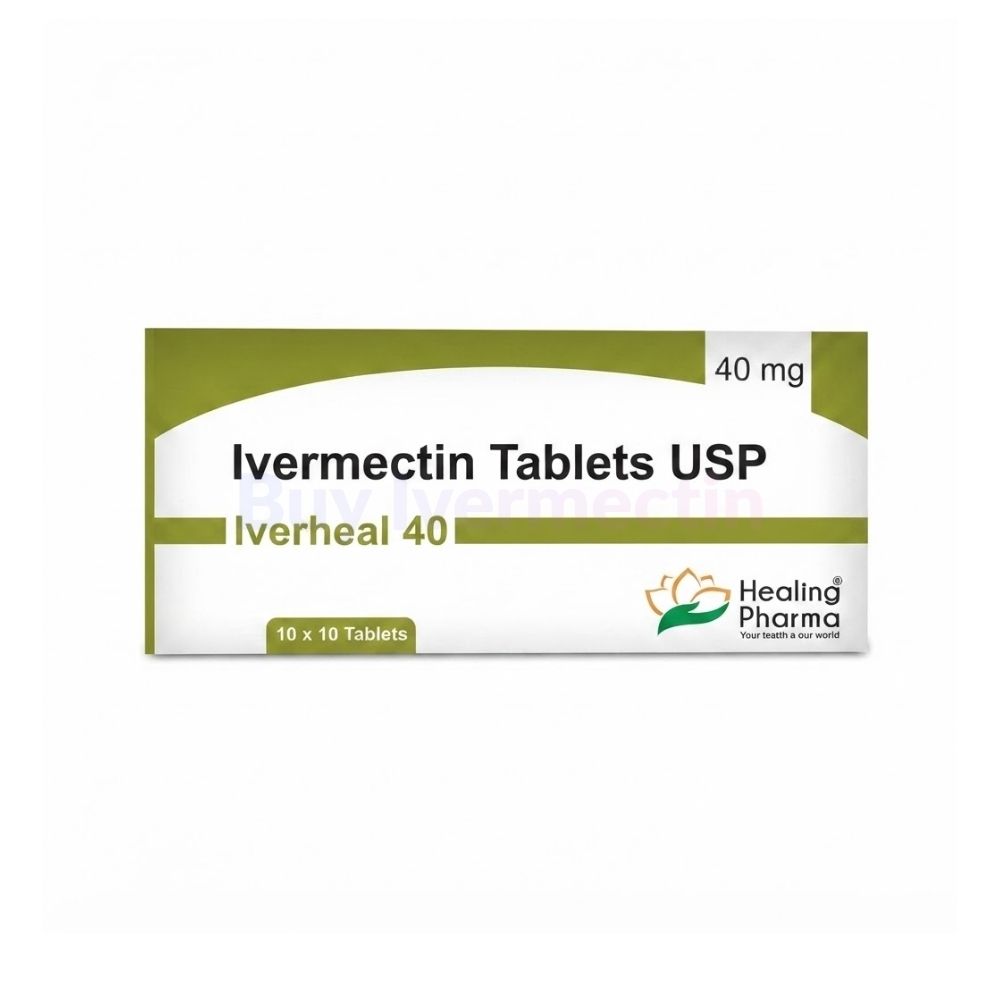
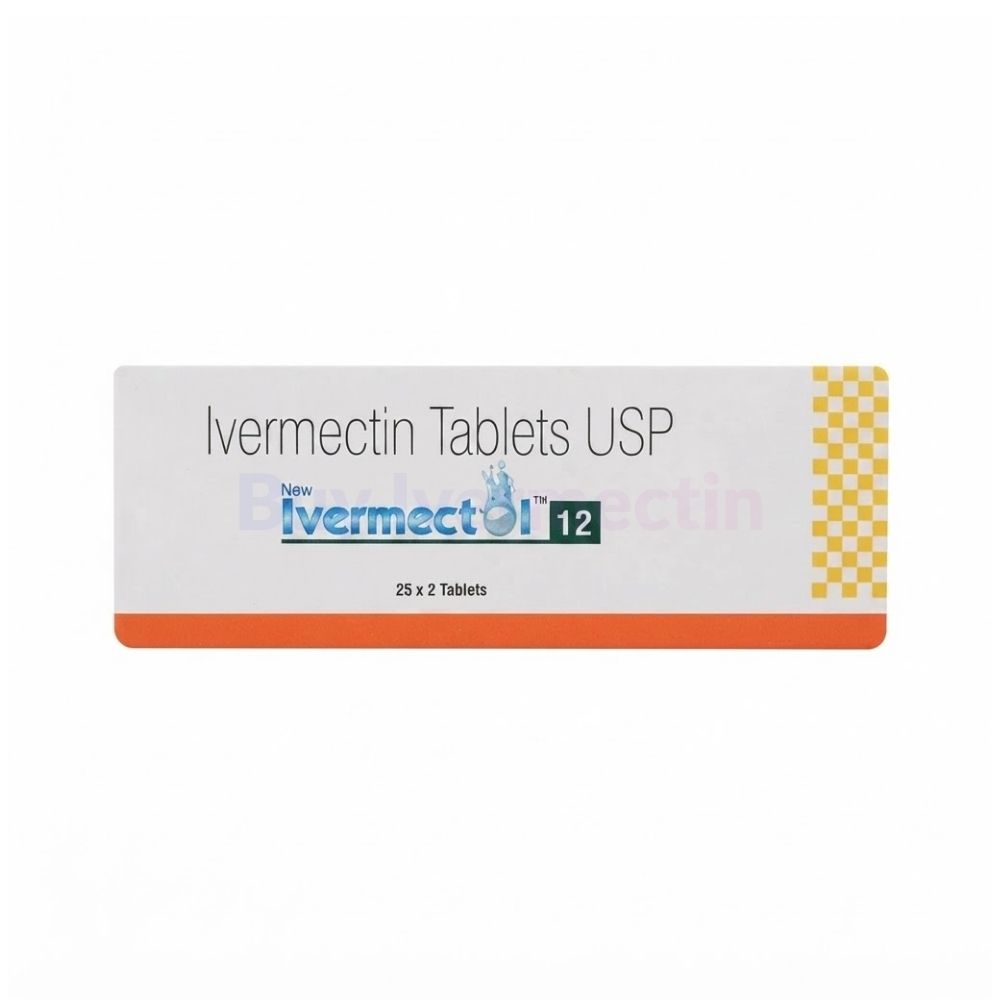
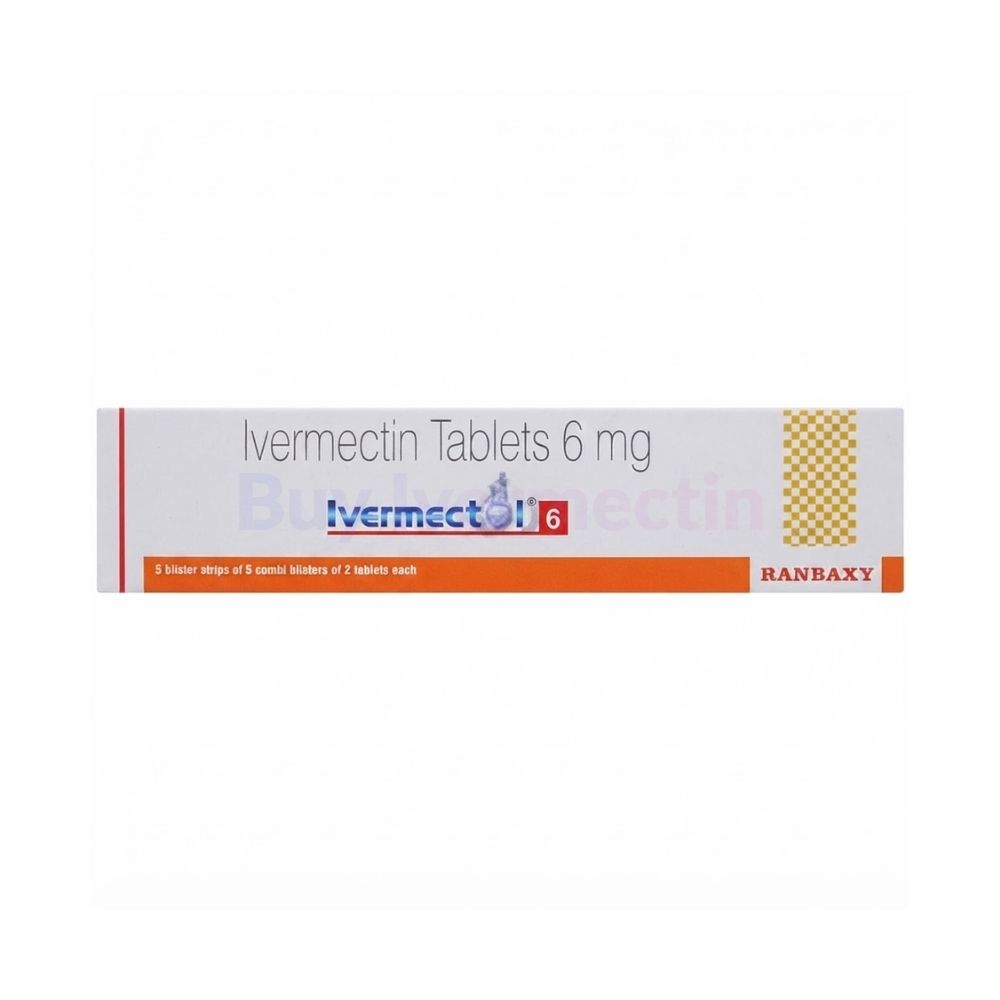
| Ivermectin | Antiparasitic | Selected parasitic infections | Different mechanism and indications |
The best antiparasitic depends on the specific parasite and patient, rather than simply choosing the medicine with the broadest list of uses.
Keep the product in its original packaging and store it according to the manufacturer's label.
Keep all medicines out of reach of children and animals that should not receive the product.
FBD 222 mg contains fenbendazole, a benzimidazole antiparasitic primarily used in veterinary medicine.
Fenbendazole products approved by the FDA are veterinary medicines. It should not automatically be presented as an approved human deworming treatment.
Depending on the animal and approved product, fenbendazole can be used against parasites such as roundworms, hookworms, whipworms, and certain tapeworms.
Do not describe this product as suitable for children unless you have verified human regulatory approval and product-specific labeling.
Yes. FDA-approved fenbendazole products are available for dogs and are labeled for specific parasitic infections.
No. Veterinary dosing can depend on the animal's species, body weight, parasite, formulation, and product labeling.
Only when specifically recommended by a veterinarian or healthcare professional.
No. Different antiparasitic medicines have different active ingredients, mechanisms, approved uses, and target parasites.
Follow the storage instructions printed on the product packaging and keep it away from children and animals that should not receive it.
| Pack Size | Price |
|---|---|
| 100 Tablet/s | $65.00 |
| 200 Tablet/s | $124.00 |
| 300 Tablet/s | $175.00 |
| 500 Tablet/s | $245.00 |
Medical Disclaimer: The information on this site is for educational purposes only. Consult a licensed healthcare professional before starting, stopping, or changing any medication.


Reviews
There are no reviews yet.