Description
Ivermectin is an antiparasitic medicine that has been used in clinical medicine for several decades. It belongs to a group of medicines called avermectins and is used to treat certain parasitic infections when prescribed by an appropriate healthcare professional.
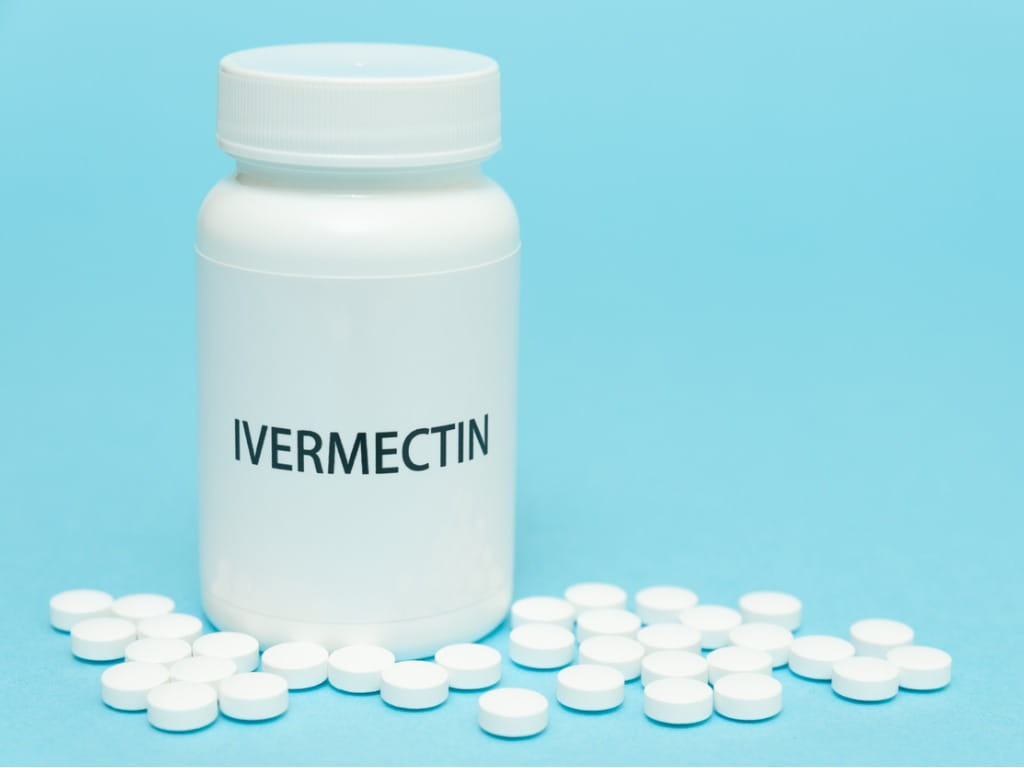
Ivermectin 3mg tablets contain ivermectin as the active pharmaceutical ingredient. The 3mg strength is one of several tablet strengths available in different markets. The appropriate formulation, dose, treatment schedule, and duration depend on the specific infection, the patient's characteristics, and the prescribing clinician's assessment.
Because ivermectin is a prescription medicine in many countries, it should be used only for an appropriate medical indication and according to professional advice.
What Is Ivermectin 3mg?
Ivermectin 3mg is an oral tablet formulation containing 3 milligrams of ivermectin. Ivermectin has established antiparasitic activity against several types of parasites.
The medicine was originally developed from compounds discovered in soil microorganisms and subsequently became an important treatment for a number of parasitic diseases. Its clinical applications include certain infections caused by nematodes and arthropod parasites.
The 3mg tablet strength does not mean that every patient should take the same amount. Medical treatment with ivermectin is generally determined according to factors such as the infection being treated, body weight, age, medical history, concurrent medicines, and local prescribing guidance.
Patients should therefore avoid selecting a dose solely because a particular tablet strength is available.
What Is Ivermectin Used For?
Ivermectin has approved or established uses for specific parasitic infections. Depending on the country and formulation, these may include certain infections such as:
- Strongyloidiasis
- Onchocerciasis
- Certain ectoparasitic infections, including scabies, in appropriate circumstances
- Other susceptible parasitic conditions when specifically prescribed
The approved indications can differ between countries and between oral and topical formulations.
Importantly, ivermectin is not a general-purpose antiparasitic medicine for every type of parasite. Different parasites require different treatments, and some infections may require laboratory testing or another medicine altogether.
A healthcare professional can determine whether ivermectin is appropriate after considering the suspected or confirmed diagnosis.
How Does Ivermectin Work?
Ivermectin acts on specific ion channels found in susceptible parasites. It binds to glutamate-gated chloride channels and affects chloride ion movement across parasite nerve and muscle cell membranes.
This interferes with normal nerve and muscle activity in susceptible parasites, eventually leading to paralysis and death of the parasite.
The mechanism is selective because these particular targets are much more prominent or function differently in invertebrate parasites than in humans.
However, understanding the mechanism does not mean that ivermectin is appropriate for every infection. A medicine's effectiveness depends on the organism involved, its susceptibility to the medicine, the location of the infection, and other clinical factors.
Ivermectin 3mg and Scabies
Ivermectin is sometimes used as an oral treatment for scabies in appropriate patients.
Scabies is caused by infestation with the mite Sarcoptes scabiei. The condition commonly causes intense itching and a characteristic rash. Because scabies can spread through close physical contact, treatment may sometimes involve more than simply treating the affected individual's symptoms.
Depending on the circumstances, healthcare professionals may consider oral ivermectin or a topical treatment. The choice depends on factors such as age, pregnancy status, medical history, severity of infestation, and whether the infection is uncomplicated or more difficult to manage.
A diagnosis should ideally be confirmed clinically before treatment because several skin conditions can produce symptoms resembling scabies.
Ivermectin for Strongyloidiasis
Strongyloidiasis is an intestinal parasitic infection caused primarily by Strongyloides stercoralis.
Ivermectin is an established treatment for strongyloidiasis in appropriate patients. This infection can be particularly important in people with weakened immune systems because severe or disseminated infection can occur in susceptible individuals.
Symptoms may be absent or relatively mild in some people, while others can experience gastrointestinal symptoms, skin manifestations, or respiratory symptoms.
Because untreated strongyloidiasis can persist for years, medical assessment is important when the infection is suspected or confirmed.
Ivermectin and Onchocerciasis
Onchocerciasis, commonly known as river blindness, is caused by the parasitic worm Onchocerca volvulus. It is transmitted through repeated bites from infected blackflies.
Ivermectin has played an important role in the treatment and control of onchocerciasis. It reduces the number of developing microfilariae and helps control the effects of the infection.
Onchocerciasis can affect the skin and eyes, and untreated infection may lead to significant complications.
The management of this disease requires appropriate medical assessment and, in some settings, public-health treatment programs.
How Is Ivermectin 3mg Taken?
The correct administration instructions depend on the condition being treated and the prescription provided by the healthcare professional.
Patients should follow the directions on their prescription or the instructions provided by their pharmacist. They should not change the amount, frequency, or duration of treatment independently.
Some ivermectin products have specific administration instructions relating to food. Because recommendations can vary by indication and product, patients should follow the instructions supplied with their particular prescription rather than relying on general internet advice.
If a patient is unsure how to take the medicine, the safest approach is to ask the prescribing clinician or pharmacist.
Why Is Medical Supervision Important?
Ivermectin is pharmacologically active and is not appropriate for everyone.
Before prescribing ivermectin, a healthcare professional may consider:
- The suspected or confirmed diagnosis
- Age and body weight
- Pregnancy or breastfeeding status
- Liver function and other medical considerations
- Current medicines and possible interactions
- Previous reactions to medicines
- The patient's overall medical history
- The specific formulation being considered
This assessment helps determine whether ivermectin is appropriate and whether additional monitoring or another treatment is necessary.
Common Side Effects
Like other medicines, ivermectin can cause side effects.
Possible adverse effects may include:
- Nausea
- Diarrhea
- Abdominal discomfort
- Dizziness
- Weakness or fatigue
- Headache
- Skin-related reactions
The type and severity of adverse effects can vary depending on the underlying infection and the individual.
Some symptoms associated with ivermectin treatment can also result from the body's response to dying parasites. For example, inflammatory reactions can occur during treatment of certain parasitic infections.
Patients experiencing concerning or severe symptoms should contact a healthcare professional.
Serious or Unusual Reactions
Although many people tolerate ivermectin appropriately when prescribed, serious reactions can occur.
Urgent medical attention may be appropriate if someone develops symptoms such as:
- Severe confusion
- Significant difficulty walking or maintaining coordination
- Loss of consciousness
- Seizure
- Severe allergic symptoms
- Breathing difficulty
- Significant swelling of the face, lips, tongue, or throat
- Severe skin reactions
The presence of a serious symptom should not be assumed to be a normal treatment effect.
Who Should Be Particularly Careful With Ivermectin?
Certain patients require additional medical consideration before using ivermectin.
This can include people who:
- Are pregnant or planning pregnancy
- Are breastfeeding
- Have significant liver problems
- Take multiple prescription medicines
- Have a history of medication allergies
- Are very young or have a low body weight
- Have neurological conditions or other significant medical conditions
The suitability of ivermectin should be assessed individually rather than assumed from the experience of another person.
Drug Interactions
| Item | Details |
|---|---|
| General Information | Ivermectin can interact with other medicines or substances. |
| Tell Your Doctor or Pharmacist About | Patients should tell their doctor or pharmacist about all medicines they use, including:• Prescription medicines• Over-the-counter medicines• Vitamins• Herbal products• Dietary supplements• Other antiparasitic medicines |
| Effect of Drug Interactions | Drug interactions can affect how medicines are processed by the body or increase the likelihood of adverse effects. |
| Combining Medicines | Patients should not combine ivermectin with another antiparasitic medicine unless a qualified healthcare professional specifically recommends doing so. |
Ivermectin and Pregnancy
Pregnancy requires particular consideration when ivermectin is being considered.
There may be situations where a healthcare professional determines that treatment is appropriate, but the decision should be based on the patient's individual circumstances and the available clinical evidence.
People who are pregnant, may be pregnant, or are planning pregnancy should tell their healthcare professional before receiving ivermectin.
Self-treatment based on information found online is not recommended.
Ivermectin and Breastfeeding
Ivermectin may also require specific consideration during breastfeeding.
Anyone who is breastfeeding should discuss the medicine with a doctor or pharmacist before taking it. The decision can depend on the clinical indication, the mother's circumstances, and the available safety information.
Ivermectin for Children
The use of ivermectin in children depends on factors such as age, body weight, medical indication, and the specific formulation.
A 3mg tablet should not automatically be considered appropriate for a child simply because it is a lower-strength tablet.
Parents and caregivers should obtain professional advice before giving ivermectin to a child.
Why Tablet Strength and Dose Are Different
One common source of confusion is the difference between tablet strength and prescribed dose.
A 3mg tablet describes the quantity of ivermectin contained in one tablet. It does not establish how many tablets a particular patient should receive.
The appropriate treatment regimen can vary according to the infection and patient characteristics.
For that reason, patients should never determine their treatment by simply matching their symptoms to an online dosing chart.
What Happens If a Dose Is Missed?
Instructions for a missed dose can depend on the treatment schedule and the condition being treated.
Patients should consult their prescription instructions or contact their pharmacist or healthcare professional for advice.
Taking extra tablets to compensate for a missed dose can increase medication exposure and may be unsafe.
Ivermectin Overdose
Taking more ivermectin than prescribed can increase the risk of adverse effects.
Possible symptoms of excessive exposure may include dizziness, nausea, vomiting, weakness, confusion, coordination problems, low blood pressure, or other neurological symptoms.
Suspected overdose should be treated as a medical issue rather than something to manage independently.
Do not deliberately increase the amount of ivermectin because symptoms have not improved.
Ivermectin Is Not a Treatment for Every Infection
Ivermectin has a specific pharmacological profile and a defined range of established uses.
It should not be assumed to treat bacterial infections, viral infections, fungal infections, or every type of parasitic infection.
Different infectious organisms respond to different medicines. Selecting an inappropriate treatment can delay effective care and potentially allow an infection to worsen.
A proper diagnosis is therefore an important part of responsible treatment.
Ivermectin and Viral Illnesses
Ivermectin has received substantial public attention because of claims concerning viral illnesses.
However, laboratory activity or preliminary research does not automatically establish that a medicine is an effective clinical treatment for a particular viral disease.
Patients should rely on current guidance from qualified healthcare professionals and reputable medical authorities rather than using ivermectin for an unapproved indication based on social-media claims or anecdotal reports.
Storage and Handling
Ivermectin tablets should generally be stored according to the product's official packaging instructions.
Keep medicines:
- In their original packaging when possible
- Away from excessive heat and moisture
- Out of reach of children
- Away from unauthorized use
Do not use tablets that appear damaged, altered, or improperly stored without first asking a pharmacist for advice.
Expired medicines should be disposed of according to local pharmaceutical-disposal recommendations.
Choosing the Right Treatment
The appropriate treatment for a parasitic infection depends on the specific organism and the patient's circumstances.
For example, treatment approaches can differ significantly between:
- Intestinal worms
- Tissue parasites
- Scabies
- Onchocerciasis
- Strongyloidiasis
- Other parasitic conditions
Even when two conditions appear to have similar symptoms, they may require completely different medicines.
This is why laboratory testing, clinical examination, or other diagnostic evaluation may be necessary before treatment.
Frequently Asked Questions
What is ivermectin 3mg used for?
Ivermectin 3mg tablets contain ivermectin, an antiparasitic medicine used for certain susceptible parasitic infections. The exact approved indications vary by country and formulation.
Is ivermectin 3mg a prescription medicine?
In many countries, oral ivermectin is prescription-only. Patients should follow the requirements applicable in their location and use it only under appropriate medical supervision.
Is 3mg a standard dose for everyone?
No. The tablet strength and the prescribed treatment regimen are different things. The appropriate regimen depends on the medical indication and individual patient factors.
Can ivermectin treat scabies?
Ivermectin can be used for scabies in appropriate circumstances. A healthcare professional should determine whether oral ivermectin is suitable and whether another treatment is preferable.
Can ivermectin be used for all parasites?
No. Ivermectin is active against specific susceptible parasites. Other parasitic infections may require completely different medicines.
Can I take ivermectin without a prescription?
Self-treatment is not recommended. A healthcare professional should determine whether ivermectin is appropriate for the suspected condition.
Can ivermectin cause side effects?
Yes. Side effects can include gastrointestinal symptoms, dizziness, headache, fatigue, and skin reactions. More serious reactions are possible and require medical attention.
Can children take ivermectin 3mg tablets?
Use in children depends on age, body weight, diagnosis, and other factors. Parents should consult a qualified healthcare professional rather than selecting a tablet strength independently.
Can ivermectin be taken during pregnancy?
Pregnancy requires individualized medical assessment. Anyone who is pregnant or may be pregnant should discuss ivermectin with a healthcare professional before treatment.
Medical Disclaimer
This article is provided for general educational and informational purposes only. It does not constitute medical advice, diagnosis, or a treatment recommendation. Ivermectin is a prescription medicine in many jurisdictions. Always consult a licensed healthcare professional before starting, stopping, or changing any medication. Product indications, prescribing requirements, warnings, and approved uses may vary by country and formulation.
Ivermectin 3mg Tablets
| Pack Size | Price |
|---|---|
| 100 Tablet/s | $100.00 |
| 200 Tablet/s | $190.00 |
| 300 Tablet/s | $250.00 |
Reviews
There are no reviews yet.